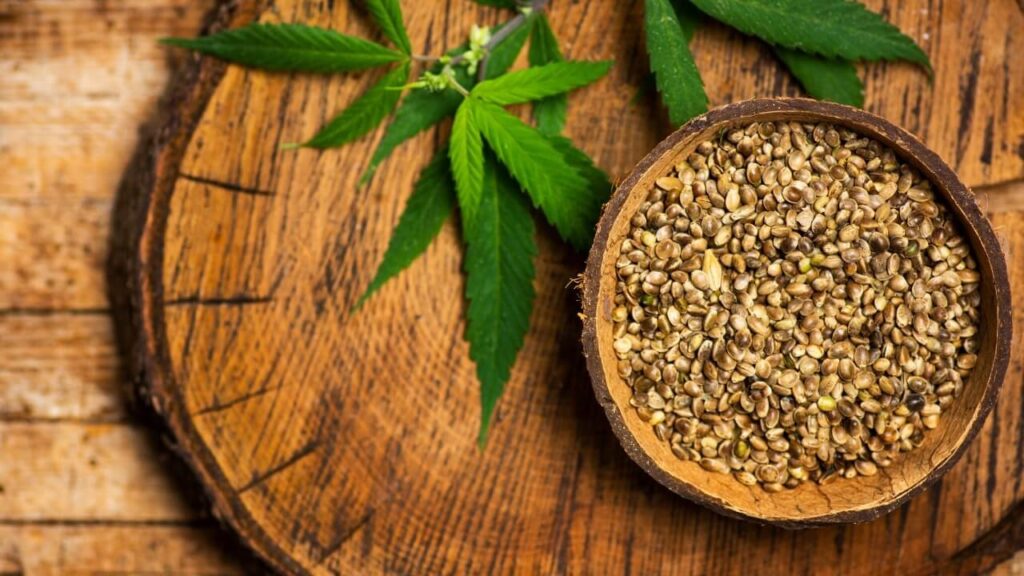
Cannabis cultivation has seen a significant shift towards sustainability and health consciousness in recent years. As more people explore the benefits of growing their own cannabis, the choice between organic and conventional seeds has become a crucial consideration. In this article, we’ll delve into the differences between organic and conventional cannabis seeds, weighing the pros and cons to help you make an informed decision.
Understanding Organic Cannabis Seeds
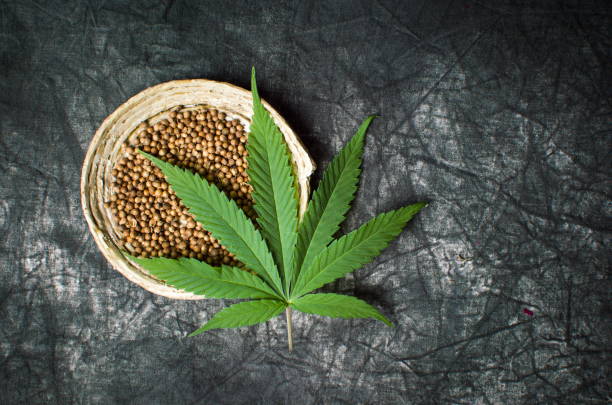
What Are Organic Cannabis Seeds?
Organic cannabis seeds originate from plants that have been grown naturally, without the use of synthetic fertilizers, pesticides, or genetically modified organisms (GMOs). These seeds are typically produced through sustainable farming practices that prioritize soil health and environmental sustainability.
Benefits of Organic Cannabis Seeds
- Healthier for Consumers: Organic cannabis is often considered safer for consumers since it lacks residual traces of synthetic chemicals commonly found in conventional cultivation.
- Environmentally Friendly: Organic farming practices promote soil health, reduce water pollution, and minimize the carbon footprint associated with agriculture.
- Preservation of Genetics: Organic cultivation methods often emphasize heirloom or landrace strains, preserving the genetic diversity of cannabis.
Challenges of Organic Cannabis Seeds
- Higher Costs: Organic cultivation can be more expensive due to increased labor, certification, and the use of organic inputs.
- Lower Yields: Organic methods may yield slightly less compared to conventional techniques.
Exploring Conventional Cannabis Seeds
What Are Conventional Cannabis Seeds?
Conventional cannabis seeds are produced through standard agricultural practices that often involve the use of synthetic chemicals, genetically modified organisms, and industrial-scale cultivation methods.
Benefits of Conventional Cannabis Seeds
- Higher Yields: Conventional farming can produce larger cannabis yields due to the use of synthetic fertilizers and growth enhancers.
- Lower Costs: The production of conventional seeds is generally more cost-effective.
Challenges of Conventional Cannabis Seeds
- Chemical Residues: Conventional cultivation may leave behind chemical residues in the final product, potentially posing health risks to consumers.
- Environmental Impact: Conventional agriculture can lead to soil degradation, water pollution, and harm to non-target organisms.
The Organic vs. Conventional Debate
1. Environmental Impact
Organic cannabis cultivation prioritizes sustainability and soil health. It avoids synthetic pesticides and chemical fertilizers, which can harm beneficial organisms and contribute to soil degradation. In contrast, conventional methods often involve the heavy use of synthetic chemicals, which can negatively impact the environment.
2. Health Considerations
Organic cannabis is generally perceived as safer for consumption due to the absence of synthetic chemicals. Conventional cannabis may contain residues of pesticides and synthetic fertilizers, which can raise health concerns, especially when inhaled or ingested.
3. Genetics and Biodiversity
Organic cultivation methods often emphasize heirloom and landrace strains, contributing to the preservation of genetic diversity. Conventional cultivation may prioritize high-yielding strains, potentially leading to a loss of genetic diversity within the cannabis gene pool.
4. Sustainability
Organic cultivation aligns with sustainable farming practices that reduce the carbon footprint of cannabis production. It promotes responsible water usage and reduces environmental harm, making it a more eco-friendly choice.
5. Cost Considerations
Organic cultivation tends to be more expensive due to higher labor costs, organic certification, and the use of organic inputs. Conventional cultivation is often more cost-effective, making it an attractive option for commercial growers.
Making Your Choice
The decision between organic and conventional cannabis seeds ultimately depends on your values, goals, and circumstances.
Choose Organic Cannabis Seeds If:
- You prioritize sustainability and environmental responsibility.
- You are concerned about the potential health risks associated with synthetic chemicals.
- Preserving genetic diversity and supporting heirloom strains is important to you.
- You are growing cannabis for personal use and are willing to invest in a healthier, eco-friendly choice.
Choose Conventional Cannabis Seeds If:
- You are a commercial grower looking to maximize yields and minimize costs.
- You are less concerned about the environmental impact of synthetic chemicals.
- Cost-effectiveness is a significant factor in your decision-making process.
- You are focused on high-yield production for commercial purposes.
Beyond the Choice: Additional Considerations for Cannabis Seed Selection
The decision to choose between organic and conventional cannabis seeds is not solely about the seeds themselves; it involves various factors that can significantly impact your growing experience and the quality of your harvest. Let’s explore some additional considerations to keep in mind when making your seed selection.
1. Local Laws and Regulations
Before purchasing and cultivating cannabis seeds, it’s crucial to familiarize yourself with the laws and regulations in your area. Some regions have specific rules regarding the cultivation of cannabis, including restrictions on seed types, plant counts, and cultivation methods. Complying with local laws is essential to avoid legal issues.
2. Strain Selection
Both organic and conventional seeds are available in a wide range of strains, each with its unique characteristics in terms of flavor, potency, and growth requirements. Consider your preferences and the specific traits you desire in your cannabis plants when choosing a strain. Whether you prefer indica, sativa, or hybrid varieties, your strain choice will play a significant role in your overall cultivation experience.
3. Soil and Nutrients
The quality of your soil and the nutrients you provide to your cannabis plants can impact their growth and final product. Organic cultivation often involves the use of organic soil and natural fertilizers, while conventional growers may use synthetic nutrients. Understanding the nutrient needs of your chosen strain and the appropriate soil amendments is essential for successful cultivation.
4. Pest and Disease Management
Pests and diseases can threaten your cannabis crop regardless of whether you choose organic or conventional seeds. Organic growers rely on natural methods like beneficial insects and companion planting to manage pests and diseases, while conventional growers may use chemical pesticides. Your chosen approach to pest and disease management should align with your seed selection and overall growing philosophy.
5. Environmental Impact
Consider the broader environmental impact of your cultivation practices. Organic cultivation methods are generally more eco-friendly, emphasizing soil health, reduced water consumption, and minimal harm to the ecosystem. If minimizing your carbon footprint and environmental impact is a priority, organic seeds may be a better choice.
6. Personal Health Considerations
If you are consuming the cannabis you grow, your health considerations should take precedence. Organic cannabis seeds are often considered a healthier choice due to the absence of synthetic chemicals. Consider your own health and wellness goals when selecting seeds, especially if you have sensitivities or allergies to certain substances.
7. Long-Term Goals
Your long-term goals for cannabis cultivation also play a role in your seed selection. If you plan to become a self-sustaining cannabis grower who saves seeds for future crops, organic cultivation methods may be more in line with preserving the genetic diversity of your plants and ensuring long-term sustainability.
In conclusion, the choice between organic and conventional cannabis seeds is just one piece of the puzzle when embarking on a cannabis cultivation journey. Consider the broader context, including your local laws, strain preferences, soil quality, pest management approach, environmental impact, personal health, and long-term goals. By taking these factors into account, you can make a well-informed decision that suits your unique needs and aspirations as a cannabis grower. Whether you choose organic or conventional seeds, the key to a successful harvest lies in your dedication, knowledge, and commitment to responsible cultivation practices.
In Conclusion
The choice between organic and conventional cannabis seeds is a deeply personal one, influenced by various factors such as environmental consciousness, health considerations, and budget constraints. Both options have their advantages and disadvantages, and the “better” choice depends on your unique circumstances and priorities. It’s essential to make an informed decision that aligns with your values and goals, ensuring a successful and satisfying cannabis cultivation experience.