
Introduction
As interest in natural wellness continues to grow, many people are turning to CBD and other herbal or nutritional supplements to support their physical and mental health. While CBD has shown promise in areas such as anxiety, inflammation, and sleep, it’s common for users to wonder whether it’s safe—and effective—to combine it with other natural remedies like ashwagandha, turmeric, magnesium, or melatonin.
The short answer is: Yes, combining CBD with other supplements can be safe, but it requires an understanding of how these compounds interact with the body. When used wisely, these combinations can complement each other and enhance overall well-being. However, it’s essential to approach this practice with care, proper timing, and—when needed—guidance from a healthcare professional.
In this blog, we’ll explore how CBD works, how it interacts with popular supplements, and what you need to keep in mind to combine them safely and effectively.
Understanding How CBD Works in the Body
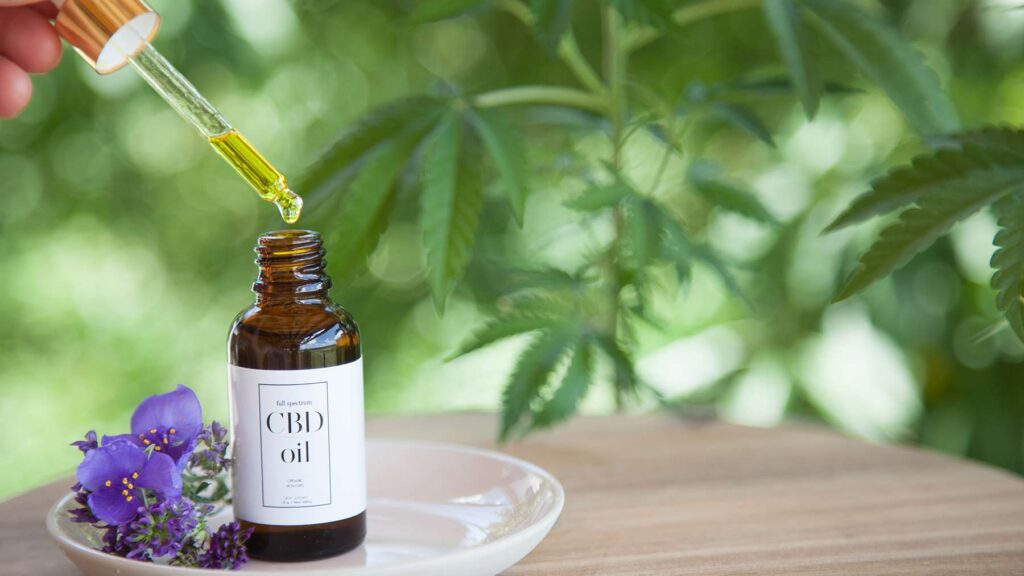
Before mixing CBD with other supplements, it helps to understand how CBD functions. CBD, or cannabidiol, is a non-intoxicating compound derived from hemp or cannabis plants. It works by interacting with the body’s endocannabinoid system (ECS), which plays a vital role in regulating homeostasis—everything from mood and pain to appetite and immune function.
Unlike THC, CBD doesn’t produce a “high.” Instead, it modulates various biological pathways in a subtle but potentially powerful way. It’s known to influence serotonin receptors, reduce inflammation, ease anxiety, and support relaxation without sedation in most users.
Because of these effects, CBD can pair well with other natural supplements—but only if the combination is done thoughtfully and in the right dosage.
Why People Combine CBD with Other Supplements
CBD alone can offer significant benefits, but it isn’t a cure-all. Many wellness enthusiasts choose to combine CBD with other herbs or nutrients to amplify effects or address multiple health concerns at once. For example, someone might take CBD for anxiety and combine it with magnesium or L-theanine to enhance calmness. Or they might pair it with turmeric to tackle chronic inflammation more aggressively.
In integrative and holistic health circles, this approach is often referred to as “stacking”—using multiple natural agents together to create a balanced, synergistic effect. While this method can be highly effective, it also carries the risk of interactions or unwanted side effects if not approached correctly.
Popular Supplements That Are Commonly Combined with CBD
Many natural supplements can complement CBD when used appropriately. Some of the most common combinations include:
1. CBD and Melatonin
This is one of the most popular pairings, especially for those struggling with sleep. CBD helps calm the nervous system and reduce nighttime anxiety, while melatonin regulates the sleep-wake cycle. Together, they can promote deeper, more restful sleep. However, timing is key—melatonin is best taken shortly before bedtime, while CBD can be taken earlier in the evening to support relaxation.
2. CBD and Ashwagandha
Ashwagandha is an adaptogenic herb known for its ability to reduce stress and lower cortisol levels. When combined with CBD, the result can be a more pronounced sense of calm. This combo may be particularly useful for those dealing with chronic stress or anxiety. Start with lower doses of both to see how your body responds, and consider taking them earlier in the day if they make you feel too relaxed for work or errands.
3. CBD and Magnesium
Magnesium plays a key role in muscle function, nerve signaling, and mood regulation. Pairing magnesium with CBD may enhance relaxation, support sleep, and reduce muscle tension. This combination is especially popular among people with restless leg syndrome, muscle cramps, or high stress levels. Be mindful of timing—magnesium can have a laxative effect in some people, so adjust your dose if needed.
4. CBD and Turmeric
Turmeric contains curcumin, a powerful anti-inflammatory compound. When combined with CBD, which also has anti-inflammatory properties, the effect can be beneficial for those managing chronic pain, arthritis, or general inflammation. For optimal absorption, look for turmeric with black pepper extract (piperine) and consider taking the combo with food.
5. CBD and L-Theanine
Found in green tea, L-theanine is known for promoting calm without drowsiness. It pairs well with CBD for those who want to ease anxiety or sharpen mental focus. This duo may be especially helpful for social anxiety or work-related stress, as it can calm the mind while allowing for alertness and productivity.
Safety Considerations When Combining CBD with Other Supplements
While many combinations are safe and even beneficial, it’s important not to assume that all natural substances are harmless. Supplements, like medications, can have side effects and interactions.
First, consider how each supplement affects the body individually. Some, like melatonin, cause drowsiness. Others, like ashwagandha or CBD, may lower blood pressure or interact with medications. When combined, the effects can be amplified, sometimes in unpredictable ways.
Also, keep in mind that CBD can influence how your liver metabolizes other substances. CBD interacts with cytochrome P450 enzymes, which are responsible for breaking down many supplements and drugs. This could potentially lead to higher levels of certain compounds in the bloodstream, increasing the risk of side effects.
If you’re taking prescription medications—especially for blood pressure, heart rhythm, or mental health—it’s crucial to speak with your doctor before adding CBD or any supplement to your routine.
Tips for Combining CBD with Other Natural Supplements
Combining CBD with other supplements can be effective, but it should be approached with care and intention. Here are a few key tips to keep in mind:
Start low and slow. When trying a new combination, use the lowest effective dose of each supplement and observe how your body responds over several days. Gradually increase if needed.
Avoid combining too many new substances at once. If side effects occur, you won’t be able to pinpoint the cause. Add one supplement at a time so you can monitor its effects.
Be consistent. Many natural supplements, including CBD, work best when taken consistently over time rather than sporadically.
Track your symptoms. Keeping a wellness journal can help you track changes in mood, sleep, pain levels, or other symptoms, so you can evaluate what’s working.
Choose high-quality products. Not all supplements are created equal. Look for third-party lab testing, clean ingredient lists, and reputable brands to ensure safety and potency.
Finally, consider working with a holistic or integrative health practitioner, especially if you’re dealing with a chronic condition. They can help you build a supplement plan tailored to your unique needs and goals.
Also Read: What Is CBD Oil and How Does It Work?
Final Thoughts
Combining CBD with other natural supplements can be a safe and effective strategy for supporting mental clarity, better sleep, reduced stress, and overall wellness. When approached thoughtfully, these combinations can complement one another and enhance your body’s natural ability to heal and thrive.
However, more isn’t always better. Each person’s body reacts differently, and what works for one individual may not work the same for another. The key is to stay informed, start slowly, and adjust your routine based on your body’s signals.
If you’re intentional and mindful about how you integrate CBD with other natural compounds, you can build a balanced, supportive wellness routine that works for you—not just today, but long term.