
Introduction
Exercise is essential for building strength, improving endurance, and maintaining overall health. However, intense workouts often come with muscle soreness, fatigue, and inflammation. Whether you’re an athlete, a fitness enthusiast, or someone just starting a workout routine, recovery plays a crucial role in performance and long-term progress.
In recent years, CBD oil has gained attention as a natural option for supporting muscle recovery. But how effective is it, and what does science suggest? Let’s explore how CBD oil may help your body recover after exercise.
Understanding Muscle Recovery
What Happens to Muscles After Exercise?
During exercise—especially strength training or high-intensity workouts—your muscle fibers experience tiny tears. This is a normal process that leads to muscle growth as the body repairs and rebuilds the tissue.
However, this process can also cause:
Muscle soreness (Delayed Onset Muscle Soreness or DOMS)
Inflammation
Stiffness and reduced mobility
Fatigue
Proper recovery allows your body to repair these tissues, reduce discomfort, and prepare for future workouts.
What Is CBD Oil?
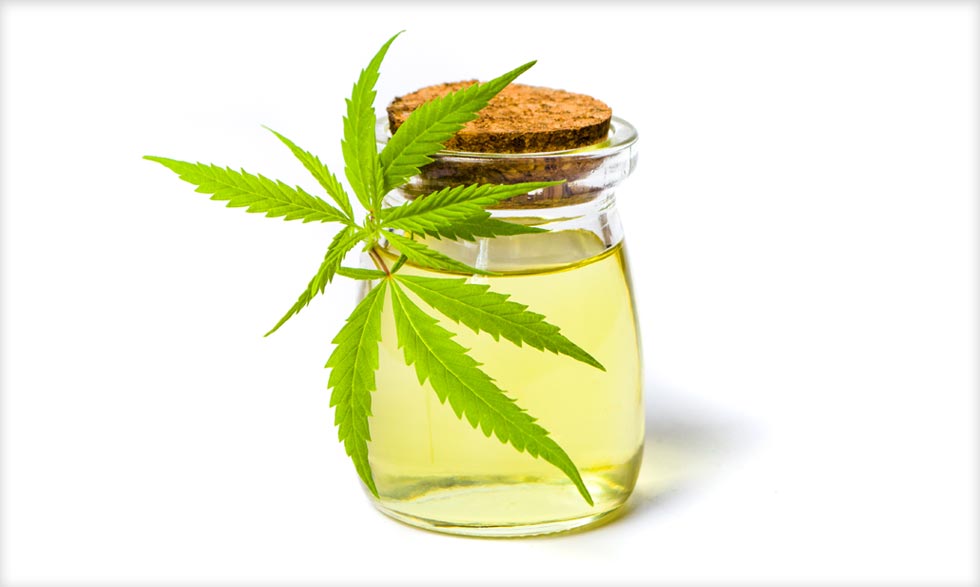
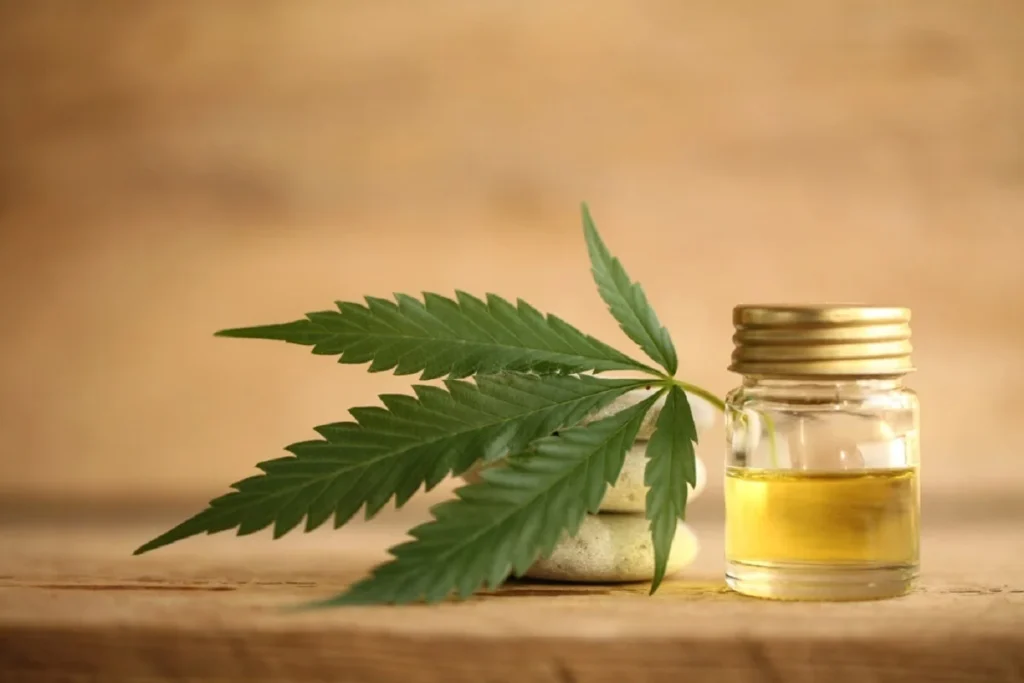
CBD (cannabidiol) is a non-psychoactive compound derived from the hemp plant. Unlike THC, it does not produce a “high.” Instead, CBD interacts with the body’s endocannabinoid system (ECS), which helps regulate functions like pain perception, inflammation, mood, and sleep.
This interaction is what makes CBD oil a potential option for supporting post-workout recovery.
How CBD Oil May Support Muscle Recovery
Reducing Inflammation
Inflammation is a natural response to exercise, but excessive inflammation can slow down recovery and increase discomfort. CBD has been studied for its potential anti-inflammatory properties.
By helping regulate inflammatory responses, CBD may support faster recovery and reduce post-workout swelling.
Managing Muscle Soreness
Muscle soreness is one of the most common challenges after exercise. CBD may influence how the body perceives pain by interacting with receptors involved in pain signaling.
Rather than completely blocking pain, it may help make soreness more manageable, allowing you to stay consistent with your fitness routine.
Supporting Muscle Relaxation
Tight and fatigued muscles can limit mobility and performance. CBD may help promote muscle relaxation, making it easier to stretch, move, and recover after workouts.
Topical CBD products can be applied directly to sore areas for targeted support.
Improving Sleep Quality
Recovery doesn’t just happen in the gym—it happens while you rest. Sleep is essential for muscle repair and overall recovery.
CBD is often used for its calming effects, which may help improve sleep quality. Better sleep can lead to more effective recovery and improved performance over time.
Reducing Exercise-Related Stress
Intense training can put stress on the body, both physically and mentally. CBD may help support a balanced stress response, which can be beneficial for overall recovery and well-being.
Ways to Use CBD Oil for Recovery
Oral CBD (Oils, Capsules, Gummies)
Taking CBD oil orally allows it to work throughout the body. This method may be helpful for overall inflammation, soreness, and sleep support.
Sublingual oils may act faster
Capsules and gummies provide convenience and consistent dosing
Topical CBD (Creams, Balms)
Topical CBD products are applied directly to sore muscles or joints.
Benefits:
Targeted relief
Easy to use after workouts
May provide a soothing sensation when combined with other ingredients
Combining Both Methods
Many users find that combining oral and topical CBD provides more comprehensive support. Oral CBD works systemically, while topicals target specific areas.
What Does Research Say?
Research on CBD and muscle recovery is still developing, but early findings are promising. Studies suggest that CBD may help reduce inflammation and influence pain pathways.
While there is growing interest in its use among athletes and fitness enthusiasts, more large-scale human studies are needed to fully understand its effectiveness.
How to Use CBD Oil Safely
Start with a Low Dose
CBD affects everyone differently. It’s best to start with a low dose and gradually increase until you find what works for your body.
Be Consistent
Consistency is key when using CBD. Regular use may help maintain stable levels in the body, potentially improving results over time.
Choose High-Quality Products
Look for CBD products that are:
Third-party tested
Clearly labeled
Free from harmful additives
Quality plays a major role in effectiveness and safety.
Are There Any Side Effects?
CBD is generally considered safe, but some individuals may experience mild side effects such as:
Drowsiness
Dry mouth
Changes in appetite
These effects are usually temporary and can often be managed by adjusting the dosage.
Is CBD Oil Right for You?
CBD oil may be worth considering if you:
Experience frequent muscle soreness after workouts
Want a natural approach to recovery
Are looking to improve sleep and overall recovery
However, it’s always a good idea to consult a healthcare professional before adding CBD to your routine, especially if you are taking other medications.
Also Read: CBD Oil Trends: What’s Changing in the CBD Industry
Final Thoughts
Muscle recovery is a vital part of any fitness journey, and finding effective ways to support it can make a significant difference in your performance and overall well-being. CBD oil offers a natural option that may help reduce inflammation, manage soreness, and promote better recovery through improved sleep and relaxation.
While research is still ongoing, many individuals are turning to CBD as part of their post-workout routine. By using high-quality products and maintaining a consistent approach, you can explore whether CBD oil fits into your recovery strategy and helps you stay on track with your fitness goals.