
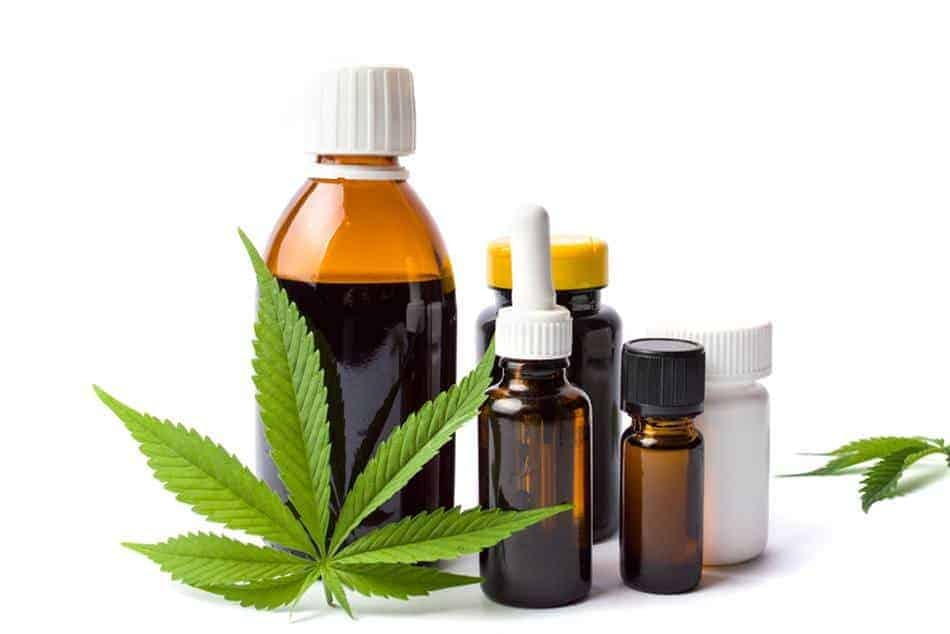
The market for CBD (cannabidiol) oil has exploded in recent years, as more people discover its potential health benefits. From promoting relaxation and reducing anxiety to alleviating chronic pain and improving sleep, CBD oil has become a popular natural remedy for many. However, with so many brands and types of CBD oil available, it can be overwhelming to know which one to choose. This guide will help you navigate the process of buying CBD oil by providing key factors to consider, ensuring you select a high-quality product that meets your needs.
Understanding CBD Oil
Before delving into the factors you should consider when buying CBD oil, it’s important to understand what it is and how it works. CBD is a compound derived from the hemp plant, a variety of cannabis that contains very little THC (tetrahydrocannabinol), the psychoactive compound responsible for the “high” feeling. CBD, on the other hand, is non-psychoactive and has been shown to have a wide range of therapeutic effects, including pain relief, anti-anxiety properties, and anti-inflammatory benefits.
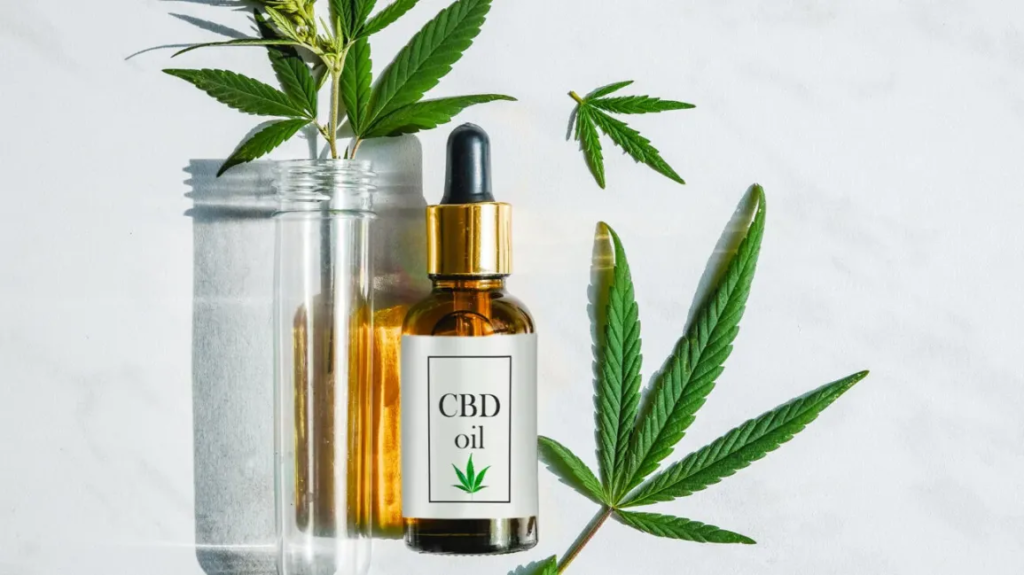
CBD oil is typically made by extracting CBD from hemp plants and then diluting it with a carrier oil, such as hemp seed oil or coconut oil. It can be consumed orally, applied topically, or inhaled using vaporization methods. However, the effectiveness of CBD oil largely depends on its quality, which is why knowing what to look for when buying it is essential.
Check for Third-Party Lab Testing
One of the most important factors to consider when buying CBD oil is whether the product has been third-party tested. Third-party lab testing means that an independent lab, not the manufacturer, tests the CBD oil for potency, purity, and safety. This is essential because it ensures that the product contains the amount of CBD stated on the label and that it is free from harmful contaminants such as pesticides, heavy metals, or solvents.
A reputable company will provide a Certificate of Analysis (COA) from a third-party lab on their website or upon request. This COA will confirm the cannabinoid profile (how much CBD and THC are in the product), as well as test results for contaminants. Always make sure to review these lab results to ensure the product meets your standards for safety and potency.
Determine the Type of CBD Oil
CBD oil comes in different types, and choosing the right one depends on your specific needs and preferences. There are three main types of CBD oil: full-spectrum, broad-spectrum, and CBD isolate. Here’s what you need to know about each type:
Full-Spectrum CBD Oil: This type of CBD oil contains all the naturally occurring compounds found in the hemp plant, including CBD, THC (in small amounts), terpenes, flavonoids, and other cannabinoids. The presence of these compounds can work together in what is known as the “entourage effect,” where the compounds enhance each other’s effects. Full-spectrum CBD oil is often preferred for those who want the full benefits of hemp.
Broad-Spectrum CBD Oil: Similar to full-spectrum CBD oil, broad-spectrum oil contains most of the compounds found in the hemp plant, but it is processed to remove any traces of THC. This type of CBD oil is ideal for people who want the benefits of multiple cannabinoids and terpenes without any THC content.
CBD Isolate: CBD isolate is the purest form of CBD. It contains 99% pure CBD and no other cannabinoids, terpenes, or THC. This type of CBD oil is often chosen by people who want the effects of CBD without any trace of THC.
Each type has its benefits, so it’s important to choose the one that best suits your preferences and needs. If you want the full benefits of the hemp plant, full-spectrum or broad-spectrum oils are your best bet. However, if you need to avoid THC for personal or legal reasons, CBD isolate may be the right choice for you.
4. Consider the CBD Concentration
CBD oils come in different concentrations, usually measured in milligrams of CBD per bottle or per serving. The concentration of CBD you need depends on your individual goals, experience with CBD, and the condition you’re trying to address.
Low Concentration: If you’re new to CBD, it’s best to start with a low concentration, such as 300 mg to 500 mg per bottle. This is ideal for general wellness, mild anxiety, or occasional discomfort.
Medium Concentration: For those who have more experience with CBD or need more significant relief, concentrations ranging from 500 mg to 1000 mg per bottle may be more suitable. This range is often used for conditions like moderate pain, stress, or sleep disturbances.
High Concentration: Higher concentrations of CBD oil (1000 mg to 3000 mg or more) are typically used for chronic pain, severe anxiety, or conditions requiring higher doses of CBD. If you have a specific health issue, consult with a healthcare professional to determine the right concentration for you.
It’s important to note that the recommended dosage varies from person to person, so it’s best to start with a low dose and gradually increase until you find the optimal amount for your needs.
5. Check for the Source of Hemp
The quality of the CBD oil depends heavily on the quality of the hemp plant it’s derived from. Hemp is a bioaccumulator, meaning it absorbs everything from the soil, including nutrients, heavy metals, and contaminants. Therefore, the source of the hemp is a critical factor when purchasing CBD oil.
Look for companies that source their hemp from organic farms, where no pesticides, herbicides, or harmful chemicals are used in cultivation. Hemp grown in the U.S. or Europe is generally subject to stricter farming regulations, ensuring a higher-quality product. Additionally, hemp grown in countries with rigorous agricultural standards is more likely to produce pure, high-quality CBD oil.
6. Look for Natural and Organic Ingredients
When selecting CBD oil, it’s important to choose a product that uses natural, high-quality ingredients. The carrier oil used in CBD oil is just as important as the CBD itself, as it helps deliver the CBD into your system. Look for carrier oils such as hemp seed oil, MCT oil (derived from coconuts), or olive oil. These oils are not only effective at delivering CBD, but they also offer their own health benefits.
Avoid CBD oils with added artificial flavors, colors, or preservatives, as these can detract from the natural properties of the product. Organic and natural ingredients ensure that you’re consuming a clean and pure product, free from harmful chemicals.
7. Read Reviews and Check Company Reputation
The reputation of the brand you’re buying from plays a significant role in the quality of the product. Look for companies that have a good reputation for transparency, customer service, and product quality. Check for reviews on the company’s website, third-party websites, and social media platforms to get an idea of what other customers think about their products.
When reading reviews, pay attention to feedback regarding the product’s effectiveness, taste, and any side effects. Positive reviews can help guide your decision, but be cautious of any company that has few or no reviews, as it could indicate a lack of credibility.
8. Price and Value for Money
While price is a factor, it should not be the only determining factor when choosing CBD oil. High-quality CBD oil is a premium product, and prices will vary depending on concentration, type, and brand reputation. A lower price may seem appealing, but it often indicates a lower-quality product, potentially with fewer CBD benefits or added chemicals.
Rather than focusing solely on price, consider the value for money. Compare products in the same concentration range to find the best value. Keep in mind that more expensive products may offer better quality ingredients, higher potency, and a more transparent manufacturing process.
9. Consider the Method of Consumption
CBD oil can be consumed in various forms, including tinctures, capsules, and edibles. Tinctures and oils are popular because they are easy to use and provide fast-acting effects when taken sublingually (under the tongue). However, if you don’t like the taste of CBD oil, you can opt for capsules or edibles like CBD gummies, which may take longer to take effect but are more discreet and pleasant to consume.
Decide on the method of consumption that suits your lifestyle and preferences. If you’re looking for fast relief, a tincture or sublingual CBD oil may be best. If you prefer convenience and longer-lasting effects, CBD capsules or gummies could be a better fit.
Conclusion
Buying CBD oil can be a daunting task, given the wide variety of products available on the market. However, by following the key considerations outlined in this guide — such as third-party testing, CBD concentration, the source of hemp, and the company’s reputation — you can confidently choose a high-quality CBD oil that meets your needs. Whether you’re using it for pain relief, anxiety, or overall wellness, finding the right CBD oil will ensure that you enjoy the full benefits of this natural compound. Remember to start slow, and always consult with a healthcare professional if you have any concerns or questions regarding CBD use.