

Introduction
Pet owners today are more proactive than ever when it comes to supporting the health and well-being of their furry companions. Among the many wellness trends gaining popularity, CBD has emerged as a hot topic. With growing research around cannabidiol’s potential benefits for humans, many pet parents are asking: Is CBD safe for dogs and cats? Let’s take a closer look at what you should know before giving CBD to your pets.
What Is CBD and Why Do Pet Owners Use It?
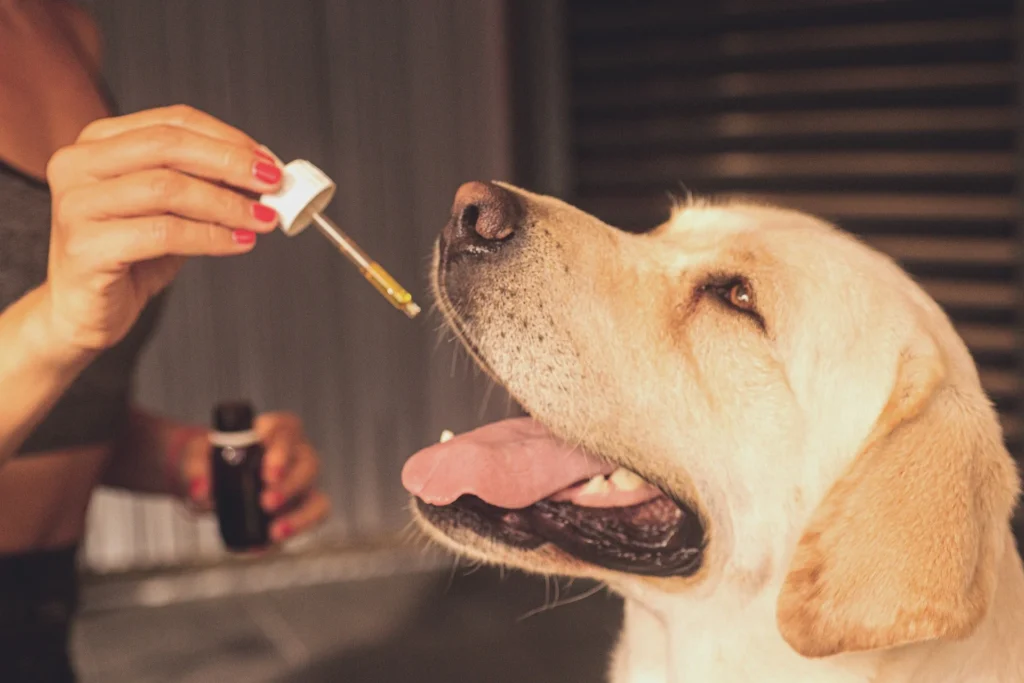
CBD, or cannabidiol, is a natural compound found in the cannabis plant. Unlike THC (tetrahydrocannabinol), CBD is non-psychoactive, meaning it won’t make your pet feel “high.” Instead, CBD interacts with the endocannabinoid system (ECS), which helps regulate functions like mood, pain perception, sleep, and appetite.
Pet owners are increasingly turning to CBD for potential benefits such as:
Reducing anxiety and stress in pets prone to separation anxiety or loud noise sensitivity.
Easing pain and inflammation in pets suffering from arthritis or joint issues.
Supporting overall wellness, including appetite regulation and improved mobility in aging pets.
Is CBD Safe for Dogs and Cats?
The big question most pet owners have about CBD is whether it’s safe—and the answer isn’t entirely straightforward. Current research on CBD use in pets is still in its early stages, so while we don’t yet have decades of clinical data, the evidence so far is encouraging. Preliminary studies, along with countless anecdotal reports from veterinarians and pet owners, suggest that many dogs and cats tolerate CBD quite well, particularly when it’s introduced gradually and administered in appropriate doses. That said, safety isn’t universal—it depends heavily on several factors. Product quality plays a crucial role, as poorly made CBD oils can contain harmful contaminants or higher-than-expected levels of THC, which is toxic to pets. Dosage also matters; while small amounts may calm anxiety or ease discomfort, too much can lead to unwanted side effects. Finally, the individual health condition of the pet—such as liver function, age, or existing medications—can influence how their body processes CBD. In short, CBD can be safe for many pets, but it requires careful product selection, thoughtful dosing, and, ideally, guidance from a veterinarian.
Key Safety Considerations:
Quality Matters – Always choose CBD products specifically designed for pets. Human CBD oils may contain ingredients (like flavorings or xylitol) that are toxic to animals.
Proper Dosage – Dogs and cats are smaller than humans and more sensitive to compounds. Overdosing can cause side effects such as lethargy, diarrhea, or changes in appetite.
Consult a Veterinarian – If your pet has underlying health conditions or takes medications, always seek veterinary advice before starting CBD.
Potential Benefits of CBD for Pets
While scientific evidence is still developing, many pet parents report positive changes after introducing CBD into their pets’ routines. Potential benefits include:
Anxiety relief: Pets with separation anxiety or travel stress may show calmer behavior.
Pain management: Aging dogs with arthritis may experience greater mobility.
Seizure control: Some studies suggest CBD could help reduce seizure frequency in dogs with epilepsy.
Digestive support: Pets with nausea or loss of appetite may benefit from CBD.
Possible Side Effects of CBD in Pets
Just like humans, pets can also experience side effects from CBD, though they are generally mild, temporary, and often resolve on their own once the body adjusts. One of the most common effects is drowsiness, especially when pets are given higher doses. While this can be beneficial for pets dealing with anxiety or restlessness, excessive sleepiness may indicate the need for a dosage adjustment. Some pets may also experience dry mouth, which can lead to increased thirst and more frequent water consumption. Another potential effect is a temporary drop in blood pressure, which in some cases may cause slight dizziness or disorientation. Additionally, sensitive stomachs may react with loose stools or mild digestive upset, particularly if the CBD oil is not introduced gradually. If you notice any of these symptoms persisting or worsening, it’s important to reduce the dosage or pause use altogether. Consulting your veterinarian ensures that your pet’s unique health needs are considered and that CBD is used safely and effectively.
When it comes to choosing the right CBD for pets, quality and formulation play a critical role. Not all CBD products are safe for animals, so it’s essential to look for options specifically designed for pets. Always check for third-party lab testing and request a Certificate of Analysis (COA) to confirm that the product is free of contaminants like pesticides, heavy metals, or excess THC. Opt for pet-specific formulations, as human CBD oils may contain additives or flavorings that are toxic to animals. It’s also important to select products that are labeled THC-free or contain only trace amounts of THC, since even small quantities can be harmful to dogs and cats. Pay attention to the carrier oil used—options like salmon oil or coconut oil can be easier for pets to digest. Finally, start with a low dosage and gradually increase based on your pet’s response, keeping a close eye on their behavior and overall well-being. By prioritizing safety and transparency, you can ensure that CBD supports your pet’s health without unnecessary risks.
Also Read: How to Combine CBD with Other Natural Supplements Safely
Final Thoughts
CBD for pets shows promising potential in easing anxiety, pain, and other conditions, but safety lies in responsible use. Always consult your veterinarian, choose high-quality pet-specific products, and carefully monitor your furry friend’s response. While research is ongoing, many pet parents already see CBD as a natural and supportive option for their dogs and cats.