
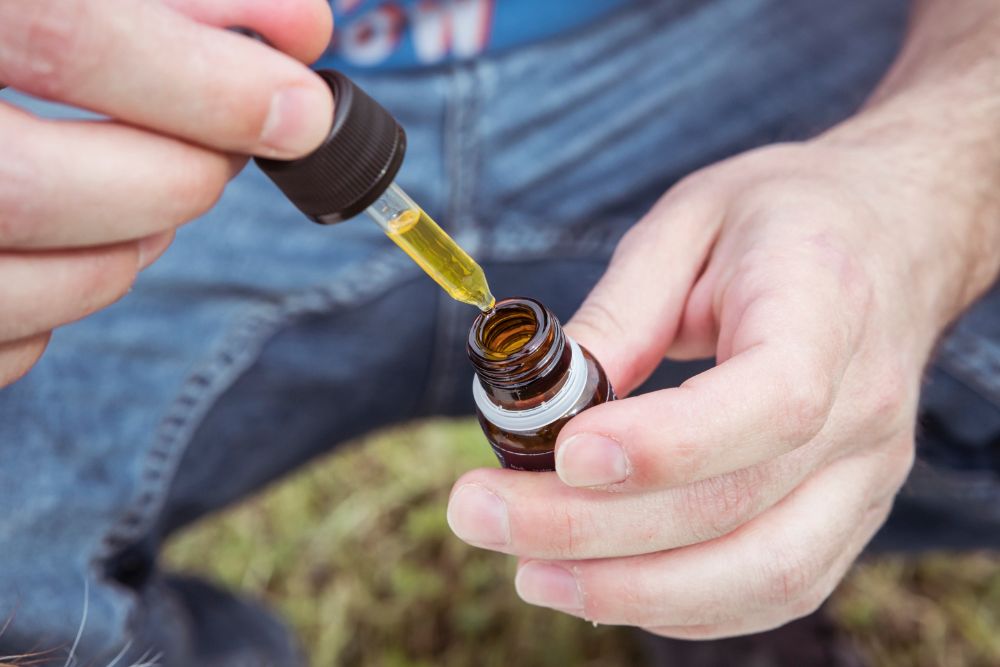
In recent years, CBD oil has become a major topic of interest for its wide range of potential health benefits — from stress relief to better sleep. But one area that is now gaining attention from researchers and wellness enthusiasts alike is heart health. While heart disease remains a leading cause of death worldwide, emerging evidence suggests that CBD oil may support cardiovascular wellness in several meaningful ways.
This blog explores how CBD oil may influence blood pressure, inflammation, and overall heart function — revealing the hidden connection between this natural compound and a healthy heart.
Understanding CBD and Its Connection to the Heart
Before exploring the benefits, it’s important to understand what CBD is and how it works in the body. CBD (cannabidiol) is a natural compound found in the hemp plant. Unlike THC (tetrahydrocannabinol), CBD does not cause a “high.” Instead, it interacts with the body’s endocannabinoid system (ECS) — a network of receptors that help maintain balance in essential functions like mood, pain, sleep, and even heart function.
The ECS plays a role in regulating the cardiovascular system, including heart rate, vascular tone, and inflammation levels. CBD’s influence on the ECS means it may have subtle yet significant effects on the health of your heart and blood vessels.

How Stress Affects Heart Health
Stress is one of the most overlooked contributors to heart disease. When you’re under constant stress, your body releases higher levels of cortisol and adrenaline. These hormones increase blood pressure and heart rate, which, over time, can damage arteries and lead to hypertension.
CBD’s Role in Stress and Blood Pressure Regulation
Studies suggest that CBD oil may help manage stress by interacting with serotonin receptors in the brain. This interaction helps promote relaxation and reduces anxiety levels — both of which can indirectly support heart health.
In fact, a 2017 study published in the journal JCI Insight found that a single dose of CBD reduced resting blood pressure and the blood pressure response to stress in healthy volunteers. This suggests that CBD’s calming effects may have a positive impact on cardiovascular function.
By helping the body stay calm under pressure, CBD oil may reduce one of the leading risk factors for heart problems — chronic stress.
Inflammation and the Heart: A Silent Threat
Inflammation is the body’s natural defense mechanism, but when it becomes chronic, it can harm the cardiovascular system. Persistent inflammation damages blood vessel walls, encourages plaque buildup, and increases the risk of heart attack or stroke.
CBD’s Anti-Inflammatory Benefits
CBD oil has been studied extensively for its anti-inflammatory properties. It works by suppressing pro-inflammatory cytokines and promoting the production of anti-inflammatory molecules.
This effect can be beneficial for maintaining healthy arteries and improving blood flow. By keeping inflammation under control, CBD may help prevent or slow down the development of conditions like atherosclerosis (narrowing of arteries due to plaque buildup).
While more long-term human studies are needed, early research and anecdotal reports are promising, showing that CBD could be a natural aid for reducing cardiovascular inflammation.
Oxidative Stress and Heart Damage
Another hidden culprit behind heart problems is oxidative stress — a condition where there’s an imbalance between free radicals and antioxidants in the body. This imbalance can damage heart cells and contribute to aging, inflammation, and blood vessel dysfunction.
CBD as a Natural Antioxidant
CBD is known for its antioxidant properties, helping neutralize free radicals and support cellular repair. In several animal studies, CBD reduced oxidative stress markers, improving overall cardiovascular function.
By protecting heart tissues from oxidative damage, CBD oil may contribute to a stronger, more resilient heart over time.
CBD and Cholesterol: What the Research Says
Cholesterol plays a vital role in heart health — but an imbalance between “good” HDL and “bad” LDL cholesterol can lead to cardiovascular problems.
Early evidence suggests that CBD oil may influence lipid metabolism, potentially helping to maintain healthier cholesterol levels. In animal studies, CBD reduced total cholesterol and improved triglyceride profiles, likely due to its anti-inflammatory and antioxidant effects.
While human trials are still limited, the findings open up an exciting area of research on how CBD could support cholesterol balance and metabolic health.
CBD and Blood Vessel Function
Healthy blood vessels are essential for proper heart function. When arteries are flexible and unobstructed, blood can flow freely, reducing strain on the heart.
Vasorelaxation Effects of CBD
CBD may help promote vasorelaxation, meaning it helps blood vessels relax and widen. This allows for better circulation and may lower blood pressure naturally.
A study published in the British Journal of Clinical Pharmacology found that CBD improved blood vessel relaxation in both animal and human tissue models. This could make CBD a useful complementary approach to maintaining vascular health, especially for individuals dealing with mild hypertension or poor circulation.
The Role of Sleep in Heart Health — and How CBD Helps
Sleep plays a crucial role in maintaining heart health. Poor sleep quality or insomnia increases the risk of hypertension, stroke, and heart disease.
CBD oil may improve sleep quality by reducing anxiety and promoting relaxation before bedtime. Many users report better sleep patterns after consistent CBD use, which in turn supports the body’s natural recovery and cardiovascular stability.
When your body rests well, your heart rate stabilizes, blood pressure remains balanced, and your risk of heart-related issues decreases.
How to Use CBD Oil for Heart Health
If you’re considering trying CBD oil for cardiovascular support, start slowly and consistently.
Choose a High-Quality Product
Opt for full-spectrum or broad-spectrum CBD oils made from organically grown hemp. These contain additional cannabinoids and terpenes that enhance CBD’s overall effects — known as the entourage effect.
Dosage and Consistency
Start with a low daily dose (around 10–20 mg) and monitor your response. Over time, you can adjust the dosage based on your comfort level and desired results. CBD works best when taken regularly, as its effects build gradually in the body.
Lifestyle Matters
Combine CBD use with a balanced diet, regular exercise, and stress management techniques such as yoga or meditation. This holistic approach ensures your cardiovascular system benefits from all angles.
Safety and Precautions
While CBD oil is generally safe, it may interact with certain medications, especially those that affect blood pressure or blood thinners. Always consult your doctor before adding CBD to your routine if you’re taking prescription medications.
Mild side effects such as dry mouth or drowsiness are rare but possible. Choosing a tested, reputable brand minimizes risks and ensures you’re consuming pure, effective CBD oil.
Read Also : CBD Oil for Pet Anxiety: How It Works and How to Safely Use It
The Takeaway — CBD Oil as a Natural Ally for Heart Health
CBD oil may not be a miracle cure, but its potential to reduce stress, fight inflammation, balance oxidative stress, and support blood vessel health makes it an exciting natural ally for heart health.
As scientific research expands, we’re beginning to uncover how this ancient plant compound could complement modern approaches to cardiovascular wellness. Combined with a healthy lifestyle, CBD oil could help you maintain a calm mind, balanced body, and a heart that beats stronger — naturally.