Introduction
CBD oil has become one of the most widely used hemp-derived wellness products. But while many people use it daily, few understand what actually goes into making it.
So how is CBD oil made — from hemp plant to finished bottle?
Let’s walk step-by-step through the entire process, from cultivation and extraction to testing and packaging.
Step 1: Growing High-Quality Hemp
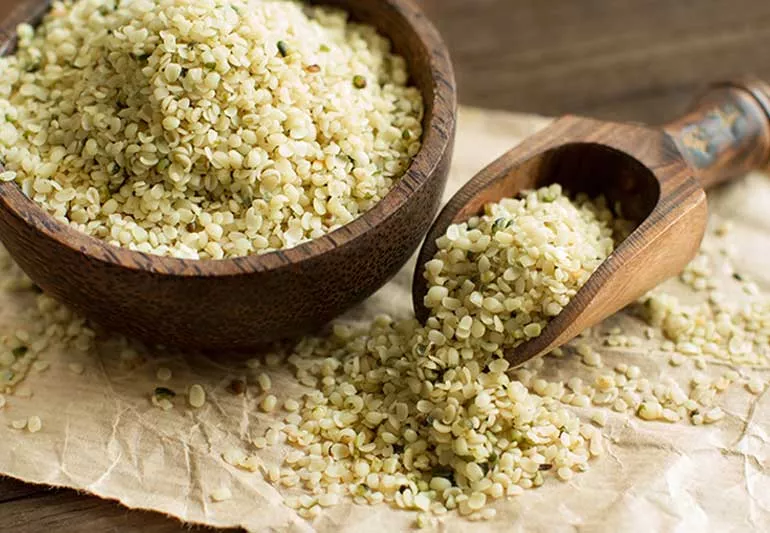
CBD oil starts with industrial hemp, a variety of the Cannabis sativa plant bred to contain very low levels of THC (the intoxicating compound).
Quality begins at the farm.
Key Factors in Hemp Cultivation:
Soil health – Hemp absorbs nutrients and contaminants from soil. Clean soil is essential.
Organic practices – Many producers avoid pesticides and synthetic fertilizers.
Climate control – Proper sunlight, irrigation, and temperature affect cannabinoid levels.
Genetics – Specific hemp strains are cultivated for higher CBD content.
The better the hemp, the better the final oil.
Step 2: Harvesting and Drying
Once hemp plants reach peak cannabinoid levels, they are harvested.
The flowers (buds) contain the highest concentration of CBD, though leaves and stalks may also be used depending on the product.
After harvesting:
Plants are dried carefully to reduce moisture.
Controlled drying prevents mold and preserves cannabinoids.
The dried plant material is prepared for extraction.
This stage protects potency and ensures safety.
Step 3: Extracting CBD from Hemp
Extraction is where CBD is separated from plant material. Several methods are used, but the most common include:
1. CO₂ Extraction (Gold Standard)
This method uses pressurized carbon dioxide to pull cannabinoids from hemp.
Benefits:
Clean and solvent-free
Precise control
Preserves cannabinoids and terpenes
Widely considered the safest method
2. Ethanol Extraction
Food-grade alcohol is used to extract compounds.
Benefits:
Efficient for large-scale production
Preserves plant compounds
3. Hydrocarbon Extraction
Uses solvents like butane or propane (less common in reputable CBD oil production due to safety concerns).
After extraction, the result is a crude hemp extract containing:
CBD
Other cannabinoids
Terpenes
Plant waxes
Chlorophyll
This extract undergoes further refinement.
Step 4: Winterization and Filtration
To create smooth, clean CBD oil:
The crude extract is mixed with alcohol and frozen.
Plant fats and waxes solidify.
These unwanted compounds are filtered out.
This process is called winterization.
The result is a cleaner extract with improved clarity and taste.
Step 5: Distillation
Distillation further purifies the extract using heat and vacuum pressure.
This stage:
Concentrates cannabinoids
Removes remaining impurities
Enhances consistency
The output is typically CBD distillate, a thick, golden oil rich in cannabidiol.
Step 6: Creating Different Types of CBD Oil
At this stage, manufacturers decide what type of product to create:
Full-Spectrum CBD Oil
Contains:
CBD
Minor cannabinoids
Terpenes
Trace amounts of THC (within legal limits)
Broad-Spectrum CBD Oil
Contains:
Multiple cannabinoids
Terpenes
No detectable THC
CBD Isolate Oil
Contains:
Pure CBD only
No other plant compounds
Each type is formulated based on desired effects and market demand.
Step 7: Adding a Carrier Oil
CBD extract is highly concentrated and thick. It must be diluted into a carrier oil to make it usable.
Common carrier oils include:
MCT oil (derived from coconut)
Hemp seed oil
Olive oil
Carrier oils help:
Improve absorption
Make dosing easier
Enhance shelf stability
The final potency (e.g., 500mg, 1000mg, 2000mg) is determined during this stage.
Step 8: Third-Party Lab Testing
Reputable manufacturers send finished batches to independent laboratories.
Testing typically checks for:
CBD potency
THC levels
Pesticides
Heavy metals
Residual solvents
Microbial contamination
The results are compiled into a Certificate of Analysis (COA).
Lab testing ensures safety, accuracy, and compliance.
Step 9: Bottling and Packaging
Once approved:
The oil is measured into dropper bottles.
Bottles are sealed to prevent contamination.
Labels include dosage information and batch numbers.
Packaging must meet regulatory requirements and provide clear usage instructions.
Quality Factors That Matter
Not all CBD oils are created equal. The final quality depends on:
Hemp source
Extraction method
Purification processes
Lab testing standards
Manufacturing practices
High-quality production ensures consistency from batch to batch.
How Long Does the Entire Process Take?
From planting to finished bottle, the process can take:
4–6 months for hemp cultivation
Several weeks for extraction and refinement
Additional time for testing and packaging
It’s not an overnight operation. Quality CBD oil requires patience and precision.
Why Manufacturing Transparency Matters
Consumers should look for brands that:
Disclose hemp sourcing
Share lab results
Explain extraction methods
Provide batch tracking
Transparency reflects confidence in product quality.
Also Read: How CBD Oil Fits Into a Holistic Wellness Routine
Final Thoughts
Making CBD oil is a multi-step process that blends agriculture, science, and quality control.
From carefully cultivated hemp plants to advanced extraction techniques and rigorous lab testing, each stage impacts the final product.
Understanding how CBD oil is made helps you make informed purchasing decisions — and appreciate the craftsmanship behind every bottle.