

Introduction
Holistic wellness is all about balance. Rather than focusing on a single symptom or quick fix, it looks at the whole person—mind, body, lifestyle, and daily habits—and how they work together to support long-term well-being. As more people move toward natural, preventative approaches to health, CBD oil has found a place within these broader wellness routines. Not as a miracle solution, but as a supportive tool that complements healthy choices and mindful living.
Understanding Holistic Wellness First
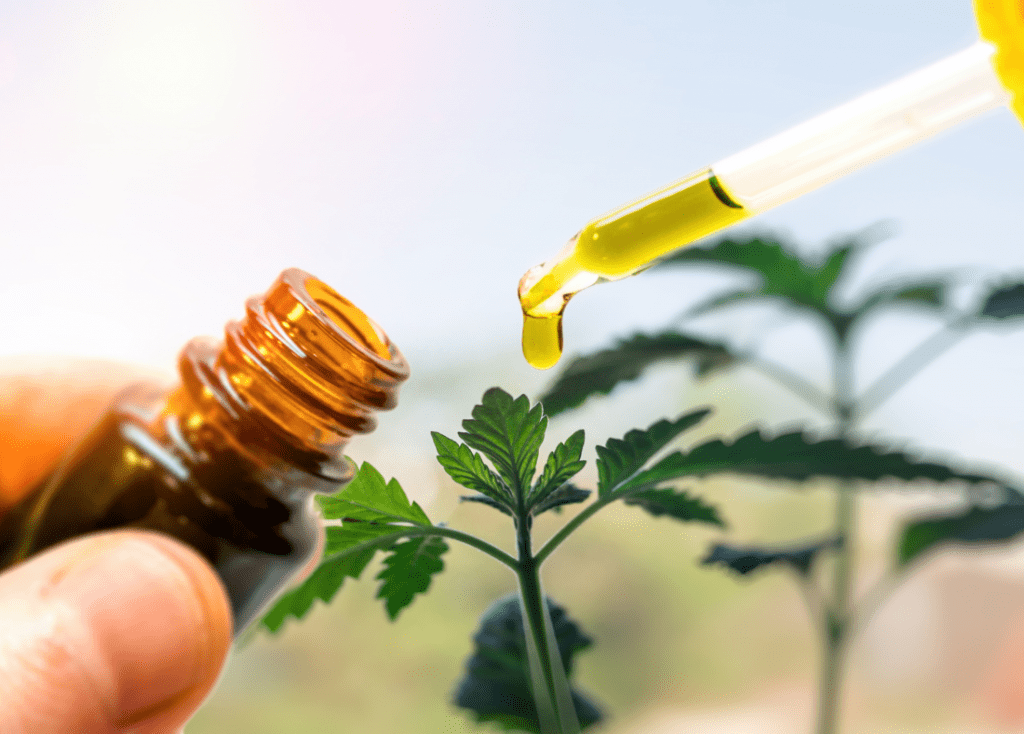
A holistic wellness routine typically includes a combination of nutritious food, regular movement, quality sleep, stress management, emotional balance, and mindful habits. The goal is to create internal harmony rather than constantly reacting to discomfort or imbalance. In this context, supplements and natural compounds are used to support the body’s existing systems, not override them.
CBD oil aligns well with this philosophy because it works with the body rather than forcing a specific outcome. Instead of stimulating or sedating aggressively, it is often described as promoting balance—something that sits at the core of holistic health.
How CBD Oil Supports the Body’s Natural Balance
CBD interacts with the body’s endocannabinoid system, a regulatory network involved in maintaining internal stability. This system plays a role in processes such as stress response, sleep cycles, mood regulation, appetite, and physical comfort. When daily life becomes hectic—poor sleep, irregular meals, long work hours, or ongoing stress—this balance can feel disrupted.
In a holistic routine, CBD oil is often used to gently support these regulatory processes. Rather than targeting one issue in isolation, it may help the body adapt more smoothly to everyday challenges. This makes it appealing to people who prefer subtle, steady support over dramatic, short-term effects.
Integrating CBD Oil Into a Morning Wellness Ritual
For some individuals, mornings set the tone for the entire day. A calm, focused start can influence energy levels, productivity, and emotional balance. CBD oil may fit into a morning routine aimed at grounding and clarity rather than stimulation.
When paired with practices like light stretching, meditation, journaling, or a nutritious breakfast, CBD oil can become part of a ritual that encourages a centered state of mind. Instead of replacing coffee or energy boosters, it often complements a calm, intentional start to the day, especially for those who feel mentally scattered or tense in the mornings.
Using CBD Oil to Support Stress Management
Stress management is a cornerstone of holistic wellness. Chronic stress affects sleep, digestion, mood, and even immune health. While lifestyle changes such as mindfulness, exercise, and boundary-setting are essential, CBD oil may act as an additional layer of support.
Many people incorporate CBD oil into their routine during high-pressure periods—long workdays, travel, or emotionally demanding situations. Its calming influence may help take the edge off stress, making it easier to apply other wellness tools like breathing exercises, yoga, or relaxation techniques more effectively.
CBD Oil and Physical Wellness Practices
Movement is another key element of holistic health. Whether it’s yoga, walking, strength training, or stretching, physical activity helps maintain flexibility, circulation, and overall vitality. CBD oil is often used alongside these practices to support post-movement recovery and general physical comfort.
Rather than viewing CBD as a replacement for rest or proper recovery, holistic users tend to see it as something that works in harmony with hydration, balanced nutrition, and adequate sleep. This integrated approach supports consistency, which is far more valuable than occasional intense efforts.
Supporting Rest and Nighttime Balance
Quality sleep is foundational to holistic wellness. Without it, even the best diet or fitness routine can fall short. Many people add CBD oil to their evening wind-down rituals as a way to signal the body that it’s time to slow down.
When combined with calming habits—such as reducing screen time, reading, gentle stretching, or mindfulness—CBD oil may help create a smoother transition into rest. Rather than acting as a sedative, it often supports relaxation, allowing sleep to come more naturally as part of a consistent nighttime routine.
The Importance of Consistency and Intention
One of the most important aspects of using CBD oil holistically is consistency. Unlike quick-relief products, CBD is often most effective when used regularly and intentionally. This aligns with holistic wellness itself, which emphasizes daily habits over one-time solutions.
Equally important is intention. Whether CBD oil is used in the morning, afternoon, or evening, it tends to work best when paired with awareness—paying attention to how your body feels, what it needs, and how different habits interact with one another.
Choosing CBD Oil as a Wellness Companion, Not a Cure
A holistic approach avoids putting any single product on a pedestal. CBD oil is best viewed as one piece of a much larger puzzle. It does not replace medical care, balanced nutrition, movement, or emotional well-being. Instead, it complements these elements by supporting the body’s natural ability to maintain equilibrium.
This mindset helps set realistic expectations and encourages responsible use. People who benefit most from CBD oil are often those who see it as a wellness companion rather than a standalone solution.
Also Read: Organic CBD Oil vs Non-Organic: Is It Worth Paying More?
Final Thoughts
CBD oil fits naturally into a holistic wellness routine because it aligns with the core principle of balance. By supporting the body’s regulatory systems and encouraging a calmer internal environment, it can enhance the effectiveness of healthy habits already in place. When combined with mindful living, proper nutrition, movement, rest, and stress management, CBD oil becomes part of a thoughtful, whole-body approach to well-being—one that prioritizes long-term harmony over short-term fixes.