Choosing the right CBD oil can feel overwhelming, especially when you come across labels like organic, non-organic, natural, or pure. Among these, “organic CBD oil” has become a major trend—often sold at a higher price. But is it actually better, or just clever marketing? This detailed guide breaks down the real differences so you can make an informed decision.
Organic products have always been associated with better quality and fewer chemicals, and CBD oil is no exception. But understanding what sets organic CBD oil apart helps you decide whether the extra cost truly adds value to your health and wellness routine.
What Does Organic CBD Oil Really Mean?
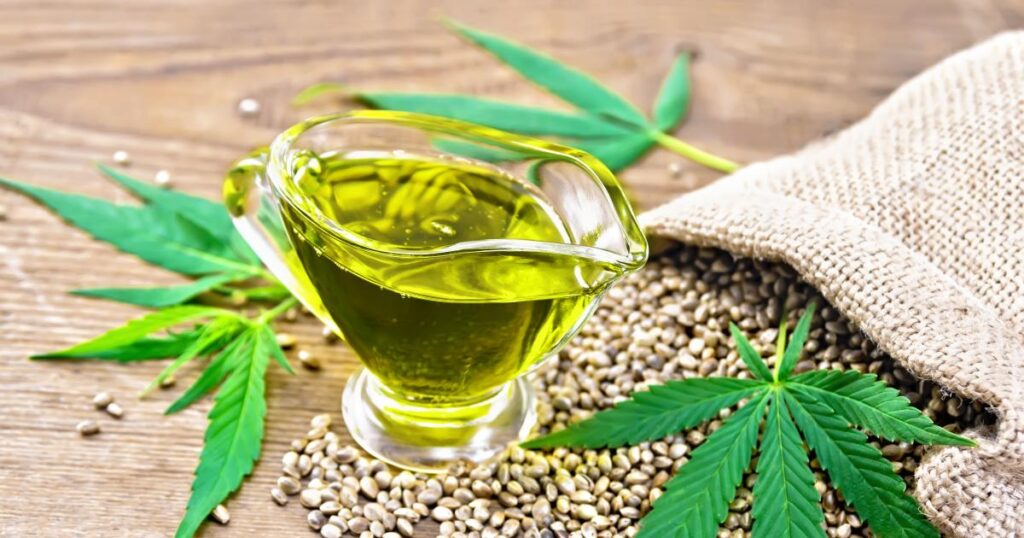
Before comparing both types, it’s important to know what qualifies CBD oil as organic. Organic CBD comes from hemp grown without pesticides, synthetic fertilizers, genetically modified seeds (GMOs), or harmful chemicals.
Organic farming focuses on:
- Soil quality
- Clean water practices
- Natural pest management
- No artificial additives
This means the final CBD oil is generally cleaner and more natural compared to non-organic varieties.
How Non-Organic CBD Oil Is Produced
Non-organic CBD oil doesn’t necessarily mean low quality, but it is produced under more flexible rules. Hemp may be grown using:
- Synthetic pesticides
- Chemical fertilizers
- Faster-growth enhancers
- Non-organic soil management
These chemicals can stay in the plant and potentially end up in the final CBD oil. While extraction methods may remove some contaminants, not all brands follow strict purification standards.
Why Organic Hemp Quality Matters for CBD
Organically-grown hemp often produces cleaner extracts because hemp is a bioaccumulator. This means it absorbs everything from its environment—good or bad. Soil toxins, pesticides, heavy metals, and pollution can all be absorbed by the plant.
Organic farming minimizes these risks by ensuring hemp grows in clean, nutrient-rich soil, free of harmful chemicals.
Key Differences Between Organic and Non-Organic CBD Oil
Now that we understand the basics, let’s explore how these two types truly compare.
1. Purity and Safety
Organic CBD oil tends to have a cleaner profile. Since farmers avoid harmful chemicals, the final extract often contains fewer contaminants.
Non-organic CBD oil may contain traces of:
- Herbicides
- Pesticides
- Solvents
- Heavy metals
Although not all non-organic oils are contaminated, the risk is higher when farming standards are not regulated.
2. Nutrient and Cannabinoid Content
Organic farming typically leads to healthier plants, which may result in:
- Stronger cannabinoid profiles
- Richer terpene concentrations
- Better aroma and flavor
Non-organic hemp grown with chemicals might grow faster but not necessarily better. Overuse of fertilizers can affect natural cannabinoid development.
3. Environmental Impact
Organic CBD farming is much more environmentally friendly. Benefits include:
- Less soil pollution
- No chemical runoff
- Healthier biodiversity
- Reduced long-term ecological damage
Non-organic farming often uses chemicals that can harm the soil, insects, and surrounding water sources.
4. Extraction Quality
Most premium organic CBD brands use clean extraction methods such as CO₂ extraction. This method doesn’t use harmful solvents and preserves natural compounds.
Some non-organic CBD brands may use cheaper extraction methods like butane or propane, which can leave residue if not properly filtered.
5. Taste and Aroma
Organic CBD oil typically tastes more natural and earthy because it contains fewer artificial additives.
Non-organic oils sometimes include flavor enhancers, preservatives, or artificial ingredients to improve taste or shelf life.
6. Certification and Transparency
Organic CBD comes with strict certification requirements such as:
- USDA Organic
- EU Organic
- Canada Organic
This guarantees the product meets high farming and processing standards. Non-organic CBD doesn’t have to meet the same criteria, though reputable brands still offer third-party lab tests.
Is Organic CBD Oil Really More Effective?
Effectiveness depends on how your body responds to different formulas. However, organic CBD oil is often more:
- Potent
- Consistent
- Clean
- Bioavailable
Higher-quality hemp and extraction methods can create a better therapeutic experience, especially for people using CBD for wellness, stress, sleep, or pain relief.
When Is It Worth Paying More for Organic CBD Oil?
Choosing organic CBD oil is often worth the higher cost when:
- You use CBD daily or long-term
- You prefer chemical-free wellness products
- You have allergies or sensitivities
- You want maximum purity and safety
- You plan to use CBD for sleep, stress, or health conditions
For people who only use CBD occasionally, non-organic options may still provide good results—especially from reputable brands with transparent lab reports.
How to Verify If CBD Oil Is Truly Organic
Not all brands use the word “organic” honestly. Here’s how to confirm authenticity:
Look for official certifications
- USDA Organic
- Certified Organic (Canada)
- EU Organic Certification
Check third-party lab reports
These tests prove the oil is free from:
- Pesticides
- Heavy metals
- Solvents
- Microbial contaminants
Review growing and extraction methods
Trustworthy brands clearly mention:
- Where their hemp is grown
- How it is extracted
- Whether they use organic farming practices
Pros and Cons of Organic vs Non-Organic CBD Oil
Organic CBD Oil
Pros:
- Cleaner and safer
- Environmentally friendly
- Higher quality cannabinoids
- Better flavor and purity
Cons:
- Higher cost
- Limited availability in some regions
Non-Organic CBD Oil
Pros:
- More affordable
- More product variety
Cons:
- Higher contamination risk
- Lower transparency
- Inconsistent quality
Final Verdict: Is Organic CBD Oil Worth It?
In most cases—yes, organic CBD oil is worth paying more for. The cleaner farming practices, better extraction methods, and higher cannabinoid quality make it a superior choice for health-conscious users. If you’re relying on CBD for daily wellness, stress relief, or sleep support, organic CBD oil provides better safety and consistency.